
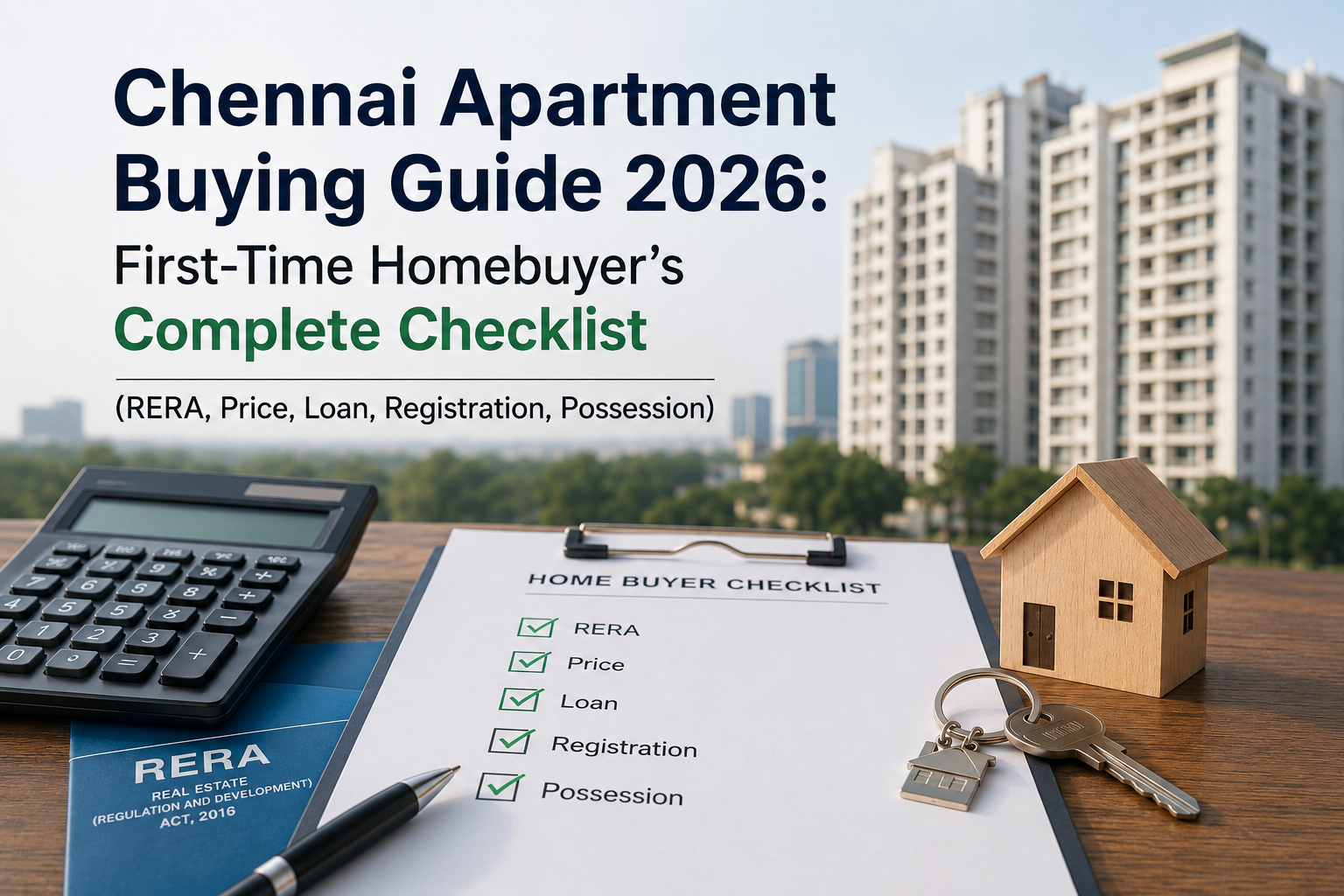
Buying your first apartment in Chennai in 2026 comes down to seven steps: set a realistic all-inclusive budget, choose a locality that matches your commute and life stage, pick a configuration (2 BHK, 3 BHK, or 4 BHK), shortlist only TNRERA-registered projects, run a structured site visit, complete the booking and unit-wise pricing review, then close the home loan, registration, and possession. Budget for 12 to 15 percent over the headline price for stamp duty, registration, GST, and one-time charges.
Key Takeaways
- Headline price is not your real cost. Add roughly 12 to 15 percent for stamp duty, registration, GST, parking, EB and infrastructure, and one-year maintenance advance.
- TNRERA registration is not optional. Verify it yourself on the Tamil Nadu RERA portal before you part with any money.
- Locality choice is the single biggest driver of long-term outcome. Commute, schools, and resale liquidity matter more than amenity counts.
- Loan approval should be in principle before you book, not after. Banks fund 75 to 80 percent of agreement value subject to eligibility.
- Possession dates slip. Build a six-month cushion into your timeline rather than assuming the brochure date is the move-in date.
The 7-step Chennai apartment buying process
Most first-time buyers in Chennai try to do steps in parallel, then discover the order matters. The clean sequence is: budget, locality, configuration, RERA shortlist, site visit, booking and pricing review, loan and registration and possession. Each step takes roughly the time below in 2026.
| Step | Typical timeline | Key output |
|---|---|---|
| 1. Set budget | 1 week | All-inclusive cap, EMI tolerance, down-payment available |
| 2. Choose locality | 2 to 3 weeks | Shortlist of 2 to 3 localities matched to commute and life stage |
| 3. Pick configuration | 1 week (parallel) | 2 BHK, 3 BHK, or 4 BHK decided |
| 4. Shortlist projects (TNRERA filter) | 2 weeks | 5 to 8 RERA-registered projects to visit |
| 5. Site visits + buyer reference checks | 3 to 4 weeks | Final 2 projects in contention |
| 6. Booking + unit-wise price + agreement | 2 weeks | Signed agreement, booking amount paid |
| 7. Home loan, registration, possession | 6 to 18 months (depends on project stage) | Keys in hand |
Step 1: Set your budget honestly
Your real budget is not what you can borrow. It is what you can sustainably repay without eroding emergency savings, retirement contributions, or your children's education fund. The cleanest rule for 2026: total EMI should sit below 40 percent of your monthly take-home, ideally below 35 percent for first-time buyers who have not yet absorbed how property ownership eats into discretionary spending.
An indicative EMI table (20-year tenure, 9 percent interest)
| Loan amount | Approx. monthly EMI | Total interest over 20 years |
|---|---|---|
| Rs 75 Lakh | Rs 67,500 | Rs 86 Lakh approx |
| Rs 1.00 Crore | Rs 90,000 | Rs 1.16 Crore approx |
| Rs 1.25 Crore | Rs 1,12,400 | Rs 1.45 Crore approx |
| Rs 1.50 Crore | Rs 1,35,000 | Rs 1.74 Crore approx |
| Rs 2.00 Crore | Rs 1,80,000 | Rs 2.32 Crore approx |
Rates fluctuate. The Reserve Bank of India publishes the current repo rate and lending guidelines, and your actual home loan rate will be priced on top of an external benchmark. Get a written sanction letter from at least two banks before you finalise.
Step 2: Choose your locality
Chennai's apartment market splits cleanly into four broad zones, each with a different buyer story.
West Chennai (Valasaravakkam, Porur, Iyyappanthangal, Anna Nagar West, Mogappair)
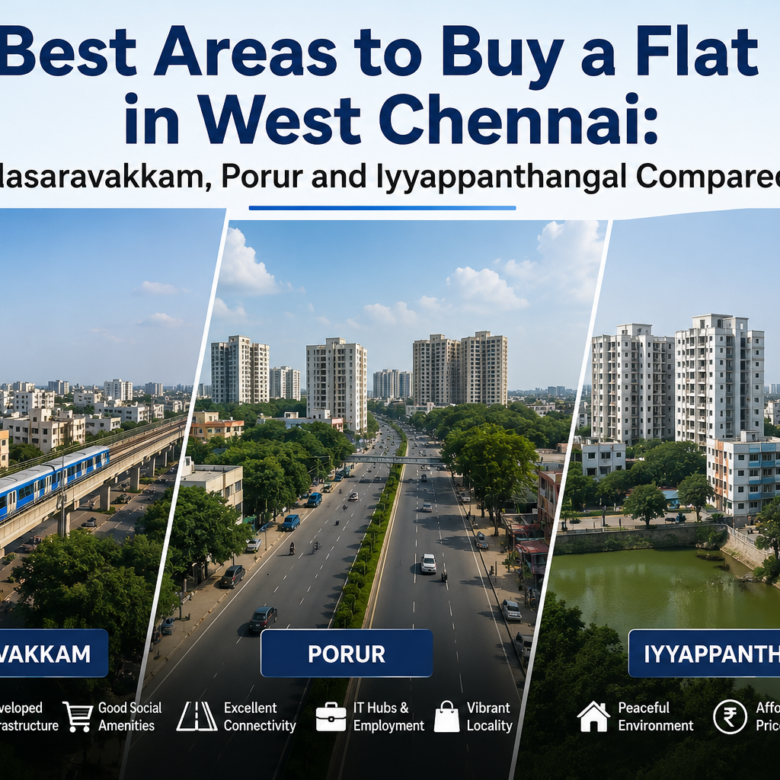
West Chennai is the most active end-user corridor in 2026. The mix of IT campuses along Mount Poonamallee Road, established schools and hospitals around Valasaravakkam and Anna Nagar, and the under-construction Chennai Metro Phase 2 alignment makes this the practical sweet spot for first-time buyers who work in the IT corridor and want a settled neighbourhood. A deeper comparison of the three core West Chennai localities is in our guide to Valasaravakkam, Porur and Iyyappanthangal. Buyers ready to compare specific configurations can review the cluster pages on 2 BHK, 3 BHK, and 4 BHK flats for sale in Valasaravakkam.
South Chennai (Adyar, Besant Nagar, Velachery, Pallikaranai, OMR-Sholinganallur)
South Chennai serves buyers who work along OMR or who want coastal proximity. Adyar and Besant Nagar sit at the premium end (Rs 18,000 to Rs 28,000 per sq.ft for genuine luxury), while Velachery and Pallikaranai are the emerging-premium zones (Rs 12,000 to Rs 16,000). OMR-Sholinganallur offers newer high-rise stock with full amenity envelopes.
Central Chennai (Anna Nagar, Nungambakkam, T Nagar, Alwarpet)
Central Chennai is the smallest pocket by new launches but the most stable in resale demand. Anna Nagar (planned grid, mature trees, deep school network) is the most accessible at Rs 15,000 to Rs 22,000 per sq.ft. Nungambakkam, T Nagar, and Alwarpet sit above Rs 25,000.
North Chennai and the Tambaram-GST belt
North Chennai (Perambur, Madhavaram) and the Tambaram-GST belt offer the lowest entry pricing in the city (Rs 5,500 to Rs 9,000 per sq.ft in most pockets), with longer commutes to the central and IT clusters. These zones suit buyers whose work or family base is anchored to that side of the city.
For a fuller picture of city-wide rate trends and zone-by-zone profile, see our overview of flats for sale in Chennai.
Step 3: Pick a configuration
Configuration choice is more consequential than first-time buyers realise. It locks your monthly outflow, your tenant pool if you ever rent out, your maintenance cost, and the resale demand profile.
2 BHK
A 2 BHK apartment fits couples, young families, and nuclear-household buyers prioritising commute and amenity access. Sizes range from 750 sq.ft (compact) to 1,100 sq.ft (spacious) in 2026 Chennai stock. The 2 BHK has the widest tenant pool if you ever convert to a rental, especially in Porur and Iyyappanthangal where IT-employee demand is strongest.
3 BHK
A 3 BHK is the practical default for families with one or two children, or for nuclear-plus-parents households. Sizes range from 1,200 sq.ft (efficient) to 1,800 sq.ft (spacious) in Chennai stock. Resale demand is strongest in Valasaravakkam, Anna Nagar, and the central pockets.
4 BHK
A 4 BHK suits multi-generational families, work-from-home households needing dedicated study and office space, and buyers prioritising long-term residence over resale flexibility. Sizes range from 1,900 to 2,500 sq.ft. The 4 BHK market is smaller, so resale takes longer.
Step 4: Shortlist with the TNRERA filter
The first hard filter you should apply to any Chennai shortlist is TNRERA registration. If a project is not TNRERA-registered, it is not legally permitted to be marketed for sale in Tamil Nadu. Look up every project on the Tamil Nadu Real Estate Regulatory Authority portal yourself. Do not rely on what the sales team shows you on their tablet or in the brochure.
What to verify on the TNRERA filing:
- The project number matches what is advertised.
- The promoter (builder) name matches the entity you are buying from.
- The carpet area declaration matches what the sales team is quoting (the RERA carpet area is legally enforceable; the sales pitch is not).
- The original promised possession date matches the brochure.
- The approved specifications match the brochure.
- There are no major complaints filed against the promoter.
Beyond TNRERA, ask for the CMDA planning permission letter with the latest revision date. The Chennai Metropolitan Development Authority grants the planning permission that underpins legal construction in most of the metropolitan area. Without it, RERA registration alone is not enough.
Step 5: Site visit checklist
A structured site visit reveals more in two hours than three weeks of brochure reading. Run this checklist:
- Visit twice: Once at 9:30 AM, once at 9:00 PM. The 9 PM visit tells you about acoustics, lighting, security presence, and the actual residential character of the inside streets.
- Walk to the nearest school, hospital, grocery store, ATM, and metro alignment. Time each walk. Brochures hide distance behind phrases like "moments away" and "in the vicinity".
- Test mobile network on at least three carriers in the actual unit. Cellular coverage in newer Chennai developments can be patchy.
- Inspect a finished sample unit, not a model flat with staged lighting. Ask to see a handed-over unit if the project is at advanced stage.
- Talk to two existing residents (if any). Ask about maintenance, possession delays, sales experience, and any post-handover surprises.
- Note the construction stage of the building you are buying into. Not just the project overall, but the specific block.
Step 6: Booking, agreement, and unit-wise pricing
The booking-to-agreement window is where most first-time buyers in Chennai are nudged into signing things they have not read. Slow this stage down.
Insist on a unit-wise pricing breakdown that itemises every component: basic sale price, car parking, EB and infrastructure deposit, water deposit, club membership (where applicable), GST (currently 5 percent on under-construction sales without input tax credit), stamp duty, registration, and one-year maintenance advance. A genuine builder will share this readily. A pressured "blanket price" is a warning sign.
Read the sale agreement and the construction agreement (in Chennai these are typically two documents) before signing. Watch for: the carpet area declaration matching the RERA filing, the possession date matching the RERA filing, the penalty clause for delayed possession (RERA requires this to be reciprocal with the delayed-payment clause), and the specifications schedule that lists brand-level finishes.
Step 7: Home loan, registration, and possession
Home loan
Most banks fund 75 to 80 percent of the agreement value, with the buyer paying the remaining 20 to 25 percent plus all one-time costs. Get sanction letters from at least two banks (one private, one public sector) before you commit. The interest rate, processing fee, and prepayment terms vary more than buyers expect.
For under-construction projects, the loan is disbursed in slabs as construction progresses. Pre-EMI interest is charged on the disbursed portion only. The cleanest approach: ask the bank for a written tranche schedule and align it with the project's construction milestones.
Registration
Property registration in Tamil Nadu happens at the local sub-registrar's office. Current stamp duty is 7 percent of the higher of the agreement value or the guideline value, plus 1 percent registration charge. The Tamil Nadu Registration Department portal publishes current rates and the process flow. Most buyers complete registration through a property lawyer; the cost is modest compared to the protection it gives you on title clarity.
Possession
Possession in Chennai rarely arrives on the brochure date. Build a six-month cushion into your planning. The TNRERA filing carries the legally committed possession date, and the builder owes you penalty interest if it slips beyond the grace period.
On the possession day itself, run a detailed snagging walk: check every switch, every tap, every door alignment, every tile joint, and the lift, common area, and parking access. A genuine builder will give you a 30 to 90 day window to flag snags and fix them before you take final handover. If you are pressured to sign possession before you have walked the unit, push back.
Documents you will need
| Stage | Documents to collect |
|---|---|
| Booking | TNRERA certificate, CMDA planning permission, parent title deed, builder's PAN, brochure with specifications |
| Loan application | Salary slips (3 months), bank statements (6 months), Form 16 (2 years), ITR (2 years), employment proof, identity proof, address proof, PAN, sale agreement, construction agreement |
| Registration | Sale deed, sale agreement, construction agreement, parent title deed, encumbrance certificate (30 years), CMDA approval, NOC from existing lender (if any), buyer ID and PAN, builder PAN |
| Possession | Completion certificate or occupancy certificate, possession letter, snagging report (signed by buyer and builder), final account statement, maintenance handover document |
Costs beyond the sticker price
The all-inclusive cost of an apartment in Chennai typically runs 12 to 15 percent above the headline base price. Budget for:
- GST: 5 percent on under-construction sales (no input tax credit). Not applicable on ready-to-move-in apartments with completion certificate.
- Stamp duty: 7 percent of the higher of agreement value or guideline value.
- Registration: 1 percent of the higher of agreement value or guideline value.
- TDS: 1 percent of the sale value, withheld by the buyer and remitted to the income tax department if the sale value is Rs 50 Lakh or more.
- Car parking: Often separately priced in Chennai. Range varies by builder; verify upfront.
- EB and infrastructure deposit: One-time charge for electricity board connection and project infrastructure.
- One-year maintenance advance: Typically charged at handover; covers the first 12 months of common-area maintenance.
- Lawyer fee and miscellaneous registration costs: Modest but real.
Common mistakes first-time buyers make in Chennai
- Treating the brochure as the contract. The brochure is marketing. The TNRERA filing and the agreement schedule are the contract.
- Not personally checking TNRERA. Buyers rely on the sales team's tablet; the real filing on the RERA portal sometimes differs.
- Skipping the second site visit. A 9 AM visit hides what a 9 PM visit reveals.
- Underestimating closing costs. The 12 to 15 percent above headline price catches many buyers short of liquidity at registration.
- Booking before loan sanction. Sanctions can fall through for credit score, employment, or income-mix reasons. Get sanction letters first.
- Ignoring the maintenance economics. A glossy clubhouse means Rs 4 to 8 per sq.ft per month for the next thirty years. Verify what is included.
- Not negotiating the snagging window. 30 to 90 days post-possession is reasonable; insist on it in writing.
How ADK Royal Developers handles the buyer journey
ADK Royal Developers has been building in West Chennai since the year 2000. Our delivery process for first-time buyers follows the seven-step framework above, with a deliberate emphasis on unit-wise pricing transparency, RERA-filed carpet area accuracy, and a snagging window that lets you take possession on your terms rather than ours.
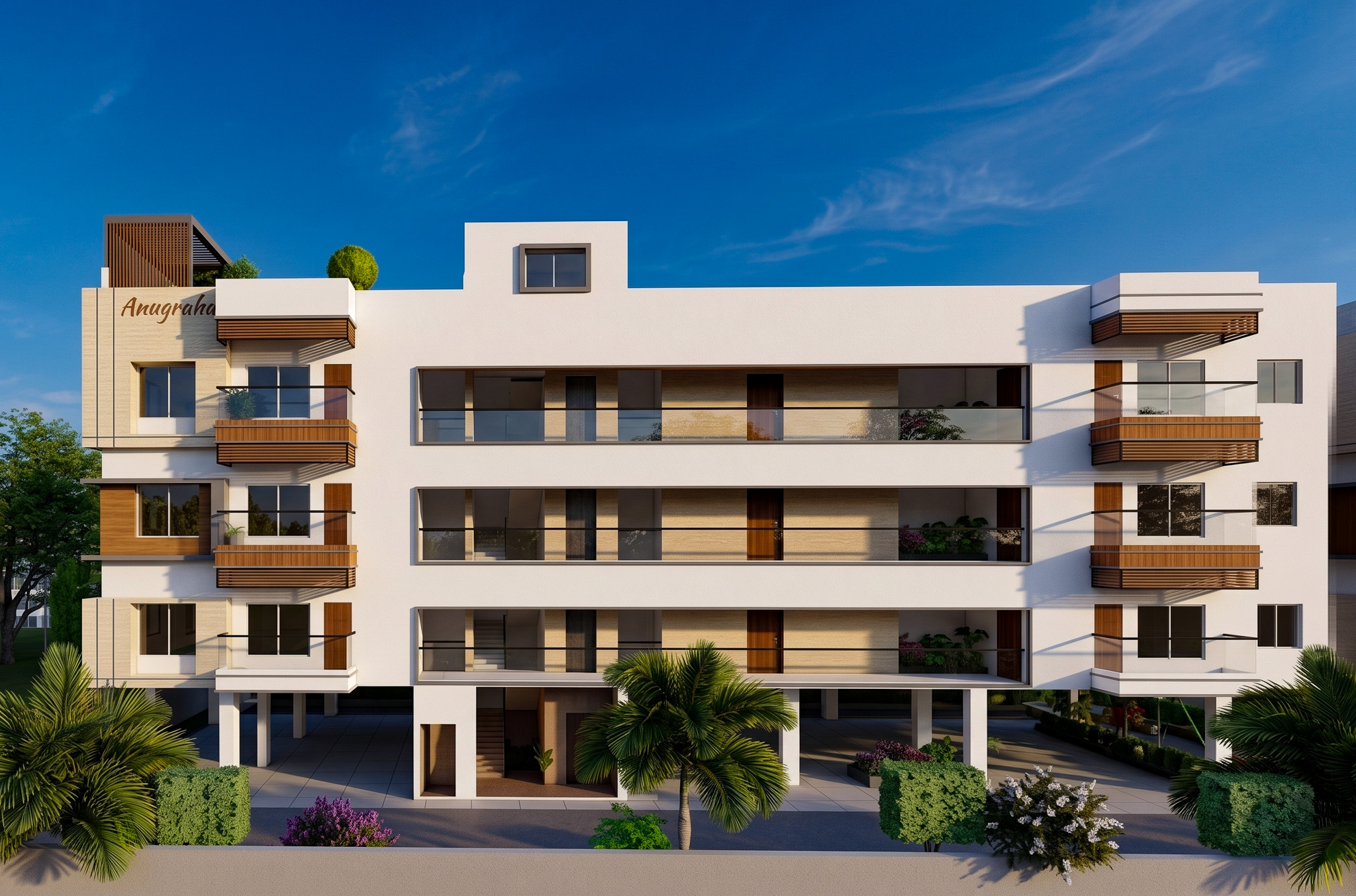
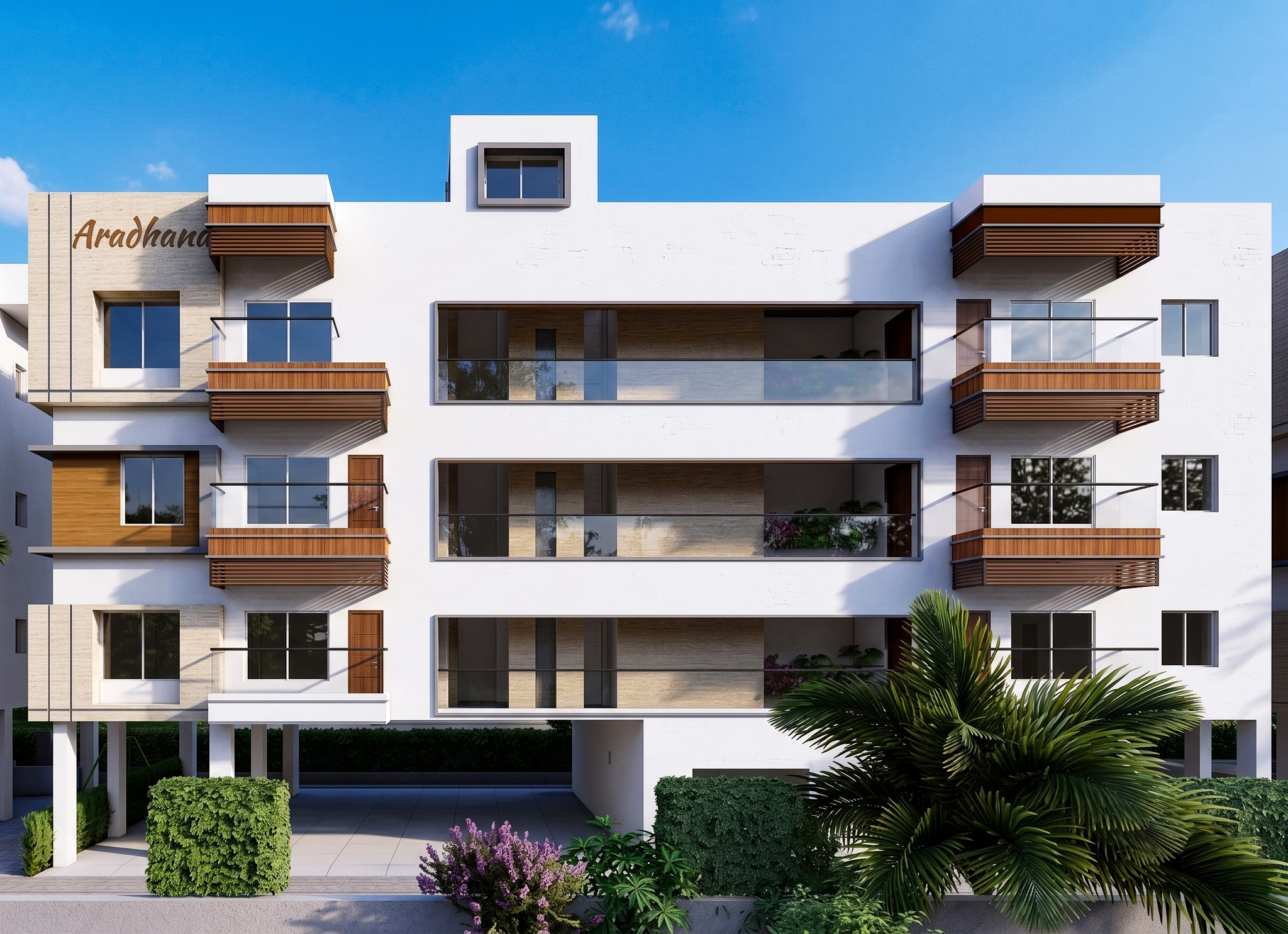
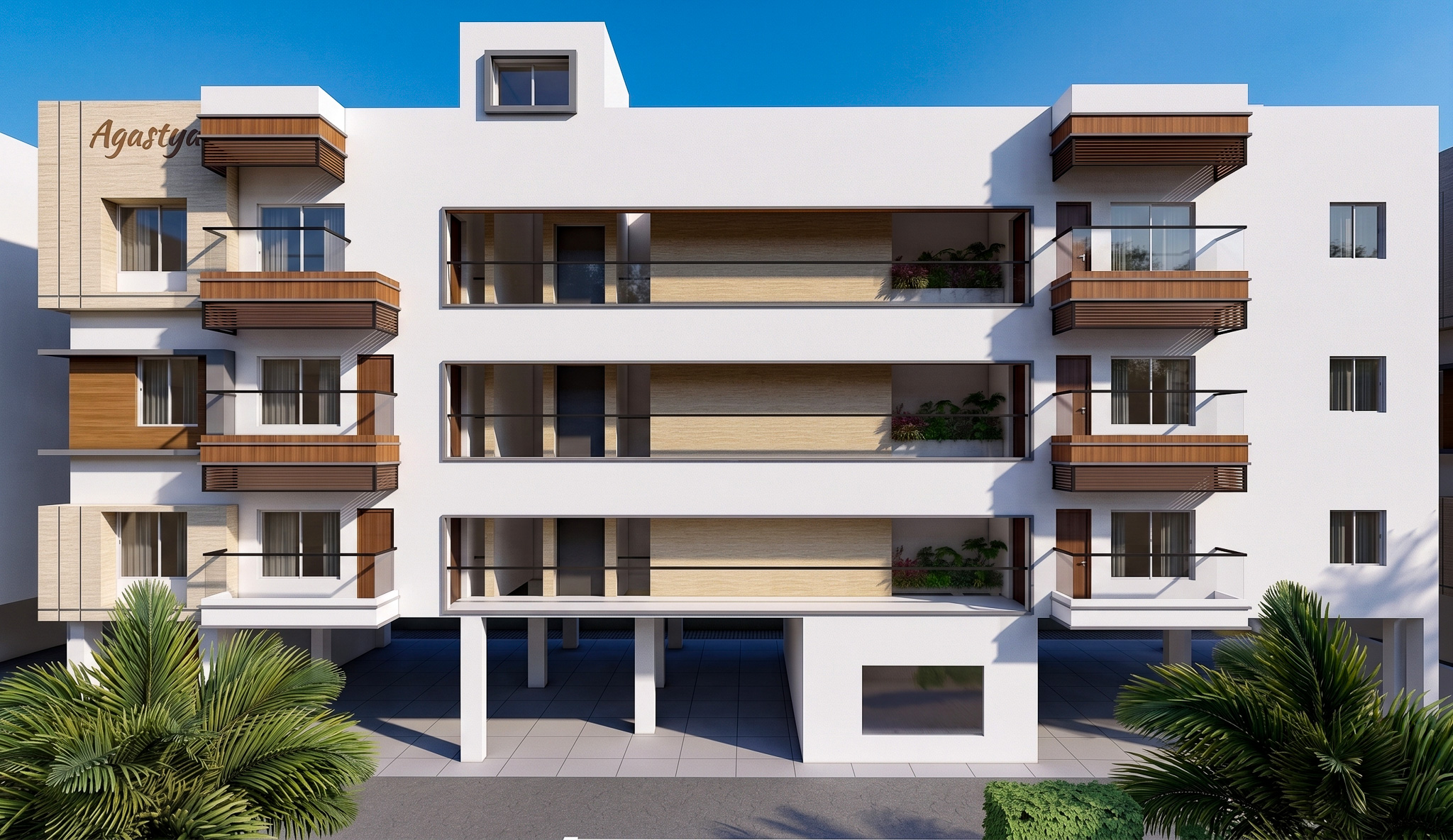
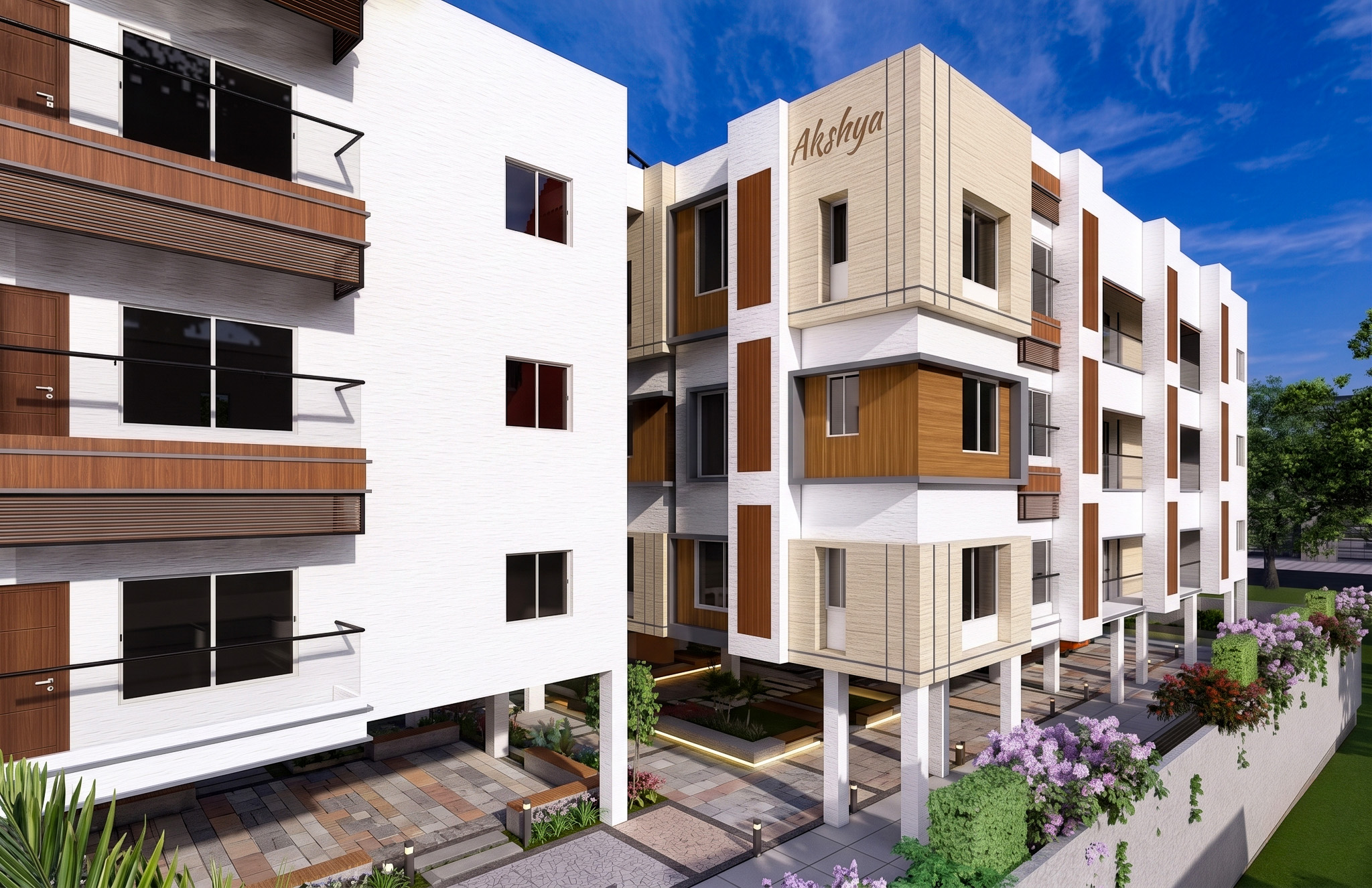
Our current developments in Valasaravakkam comprise four blocks: Royal Anugraha (3 and 4 BHK), Royal Aradhana (2 and 3 BHK), Royal Akshaya (3 BHK), and Royal Agastya (2 and 3 BHK). The about ADK Royal Developers page covers our delivery record and the boutique-block reasoning; landowners exploring joint development can review our joint venture framework.
Start your home search
If you are a first-time buyer in Chennai 2026, the cleanest starting point is to lock your budget and pick one or two localities. From there, our team can show you 2 BHK, 3 BHK, and 4 BHK options in Valasaravakkam, walk through unit-wise pricing, and run a site visit at our active development.
- Call / WhatsApp: +91 9962 695 599
- Email: info@adkroyaldevelopers.in
- Office hours: Monday to Sunday · 9:30 AM to 6:30 PM
About the author: Mr. D. Kartheesan is the founder of ADK Royal Developers, a Chennai-based residential developer building in the western corridor since the year 2000. He writes on real estate buying decisions, locality fundamentals, and the operational reality of how Chennai apartments are bought, financed, and registered.

Join The Discussion